What Is Hypermobility in Children? Signs, Symptoms and How Physiotherapy Can Help
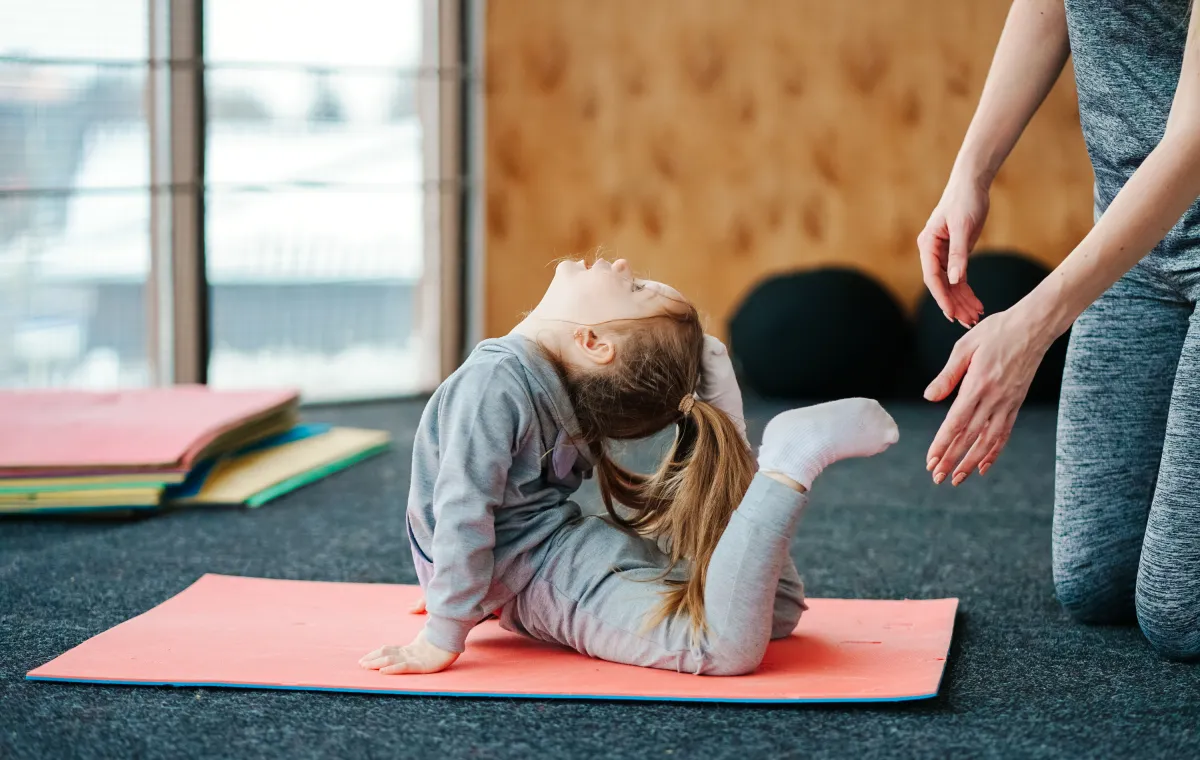
Joint hypermobility refers to joints that move beyond their normal range of motion. In children, this is particularly common - joint laxity naturally decreases with age and skeletal maturity.
Importantly, current international guidelines (Tofts et al., 2023) recommend avoiding a formal hypermobility diagnosis before age five, as joint range naturally changes significantly during early development.
When hypermobility causes symptoms, it falls under the umbrella of Hypermobility Spectrum Disorder (HSD) or, in more complex cases, hypermobile Ehlers-Danlos Syndrome (hEDS). Both are characterised by pain, fatigue, and functional difficulties that go well beyond simple flexibility.
What Are the Signs of Hypermobility in Children?
Some children are naturally flexible and have no issues at all. Others may experience symptoms that affect school, sport and everyday life.
Common signs to look out for include:
Joint pain or aching, especially after activity, at night, or after sitting still at school
Frequent sprains, recurring ankle, knee, or wrist injuries that seem disproportionate to the activity
Fatigue and low stamina, tiring quickly during sport, PE or after school activities
Clumsiness or poor co-ordination, Difficulty with fine motor tasks, handwriting or balance-based activities
Avoiding activity, reluctance to participate in sport or play due to pain or fear of injury
“Growing pains”, Leg pain at night that is frequently dismissed but may warrant further assessment
Excessive fidgeting, unable to sit or stand still for prolonged periods, always needing to lean onto objects.
How Can Physiotherapy Help Children With Hypermobility?
Physiotherapy is the cornerstone of management for children with hypermobility (Engelbert et al., 2017). A 2021 systematic review (Reychler et al.) confirmed that physiotherapy improves proprioception, reduces pain, and enhances quality of life. Treatment is always individualised, carefully graded, and progressed to avoid symptom flare-ups.
Progressive Strengthening
Research supports strengthening in both neutral and hypermobile ranges. Closed kinetic chain exercises (e.g. squats, step-ups) are particularly effective at improving joint stability and reducing pain in children (Pacey et al., 2013; Palmer et al., 2014).
Proprioception and Balance Training
Children with hypermobility often have reduced joint position sense. Balance and body-awareness training helps the nervous system better "read" where joints are, reducing fall and injury risk.
Education for the Child and Family
Evidence strongly supports education as a central pillar of care. Parents play a key role - research shows children exercise more consistently and have better outcomes when exercises are supervised by parents and integrated into family routines (Engelbert et al., 2017).
Pacing and Activity Management
Helping families find the right balance between rest and activity is the most important part of a safe recovery. It’s a common mistake to think a fit child can jump right back into the game at full speed after a break or time off due to injury. In reality, a gradual return is essential. Leading sports research shows that even a short time away from training causes a child's "baseline" fitness to drop. If they try to do too much too soon, their body isn't prepared for the stress, which is the #1 predictor of new injuries (Soligard et al., 2016).
Taping and Supportive Aids
Taping or bracing may be used during flare-ups and early rehabilitation to protect joints and improve proprioceptive feedback, though long-term reliance is not recommended.
Can Children With Hypermobility Still Play Sport or Dance?
Hypermobility does not mean your child must stop sport or dance. With the right slow, progressive training approach, many hypermobile children go on to compete and perform at elite levels. Early physiotherapy input makes this outcome far more likely.
Where symptoms are complex - or where conditions like Marfan syndrome or Loeys-Dietz syndrome need to be ruled out - your physiotherapist will coordinate referral to the appropriate medical specialist. A multidisciplinary approach, involving GP, physio, and sometimes occupational therapy or psychology, is recommended for more complex presentations (Tofts et al., 2023).
Specialised Hypermobility Support in Busselton, Bunbury and Margaret River
Our paediatric physiotherapy team has completed advanced training inHypermobility Spectrum Disorder (HSD)andhypermobile Ehlers-Danlos Syndrome (hEDS).
We understand that these conditions are about far more than flexibility. They often involve pain, fatigue and the daily challenges that come with joint laxity.
How We Can Help
When you book a paediatric physiotherapy session with us, we look beyond the joints. We look at how your child moves, plays and learns in everyday life.
Our services include:
Comprehensive assessmentsto identify areas needing support, from postural stability to proprioception
Individualised strength programs using fun, play-based exercises children are more likely to engage with
Equipment prescription and supportive therapy adjuncts where needed
Pacing and education to help your child avoid the boom-bust cycle of pain and fatigue
Our Locations and Services
We provide flexible, family-centred care across the South West of Western Australia.
You can access our services through:
Our clinics in Busselton and Vasse, offering a dedicated space for assessment and therapy
Mobile services, where we can see your child at school, daycare or home under NDIS arrangements
How Brave Bodies can help
At Brave Bodies, we support babies, children, teens and young adults across the South West with evidence-based, family-centred care. Our team works with families to understand how a child moves in real life, not just what happens in a treatment room.
If your child is dealing with pain, fatigue, recurrent injuries or difficulty keeping up because of hypermobility, our paediatric physiotherapy service can help with:
detailed movement and functional assessment
individualised strength and control programs
balance and body awareness training
support with pacing and return to activity
practical home strategies for parents
referral guidance when broader medical input may be needed
For children whose symptoms overlap with injury recovery or ongoing pain, ourSports, Injuries and Chronic Conditions service may also be relevant. If your child is plan-managed or self-managed, you can also learn more about our NDIS support options.
We offer care in clinic and mobile settings across the South West, with services available in Busselton, Bunbury, Margaret River and surrounding areas.
Ready to get started?
If you’re wondering whether your child’s pain, fatigue or repeated injuries might be linked to hypermobility, we’re here to help.
You can book an appointment with Brave Bodies to get a clearer picture of what’s going on and what support might help your child move with more confidence.
Frequently Asked Questions
Is hypermobility normal in children?
Yes, joint hypermobility is quite common in children. Many kids are naturally more flexible than adults, and this often changes as they grow. Hypermobility on its own isn’t always a problem, but if it’s linked with pain, fatigue, frequent injuries or difficulty keeping up with everyday activities, it may be worth having your child assessed.
What are the signs of hypermobility in a child?
Some common signs include joint pain, frequent sprains, poor balance, clumsiness, fatigue, “growing pains” that happen often, and avoiding sport or play because of discomfort. Some children also struggle to sit still for long periods and may constantly lean, slump or shift position. These signs don’t always mean there’s an underlying condition, but they can suggest your child may benefit from further assessment.
Can physiotherapy help a child with hypermobility?
Paediatric physiotherapy can help support children with symptomatic hypermobility by improving strength, balance, body awareness and movement control. Treatment is usually tailored to the child’s age, symptoms and goals. It may also help families better understand pacing, recovery and how to keep children active without overdoing it.
Should a child with hypermobility stop sports or dance?
Not usually. Many children with hypermobility can continue participating in sport, dance and other physical activities with the right support. In many cases, staying active is important. A gradual, well-managed approach to strength, conditioning and recovery can help reduce flare-ups and support safe participation.
When should I seek help for my child’s hypermobility?
It’s a good idea to seek advice if your child has ongoing pain, repeated sprains or injuries, unusual fatigue, movement difficulties, or is avoiding activity because of discomfort. If symptoms are more complex, your physiotherapist may recommend input from your GP, paediatrician or another medical specialist as part of a broader care plan.