Occupational Therapy for Autism: Supporting Children Through Play and Structure
Written by Ruan, BSc Physiotherapist & Co-owner, Brave Bodies
Autism occupational therapy plays a vital role in supporting autistic children to participate in everyday activities with greater confidence and comfort. Many children on the autism spectrum experience challenges with sensory processing, emotional regulation, motor skills, and daily routines.Occupational therapy provides practical, child-centred strategies that may help children build skills whilst respecting their individuality.
Rather than focusing on changing a child, autism occupational therapy supports children to navigate their environment in ways that feel safe, achievable, and meaningful. Through play, structure, and tailored support, occupational therapists work with families to help children engage more fully at home, in learning settings, and within the community.
What Is Autism Occupational Therapy?
Autism occupational therapy focuses on helping children develop skills needed for everyday activities. These activities include dressing, eating, playing, learning, writing, and managing emotions.Occupational therapists observe how a child interacts with their environment and identify ways to reduce barriers whilst strengthening independence.
Therapy is always individualised. No two autistic children are the same, and occupational therapy recognises this diversity. Support is tailored to the child's sensory profile, interests, strengths, and developmental needs.
Understanding Autism OT Programs
Autism OT programs are structured plans designed around a child's specific needs. These programs are flexible and evolve as the child grows. Occupational therapists work closely with families to identify priorities that matter most to daily life.
Programs may focus on fine motor development, emotional regulation, sensory processing, or independence in self-care. Goals are reviewed regularly to ensure therapy remains relevant and supportive.
Collaboration with Families
Families play a vital role in autism OT programs. At Brave Bodies, we partner with parents and carers to ensure strategies can be used at home. This collaboration helps children feel supported across environments and may support progress towards goals.
Our experienced occupational therapist works extensively with children with autism spectrum disorder, delivering evidence-based, family-centred therapy. Learn more about our team.
The Role of Play in Autism Occupational Therapy
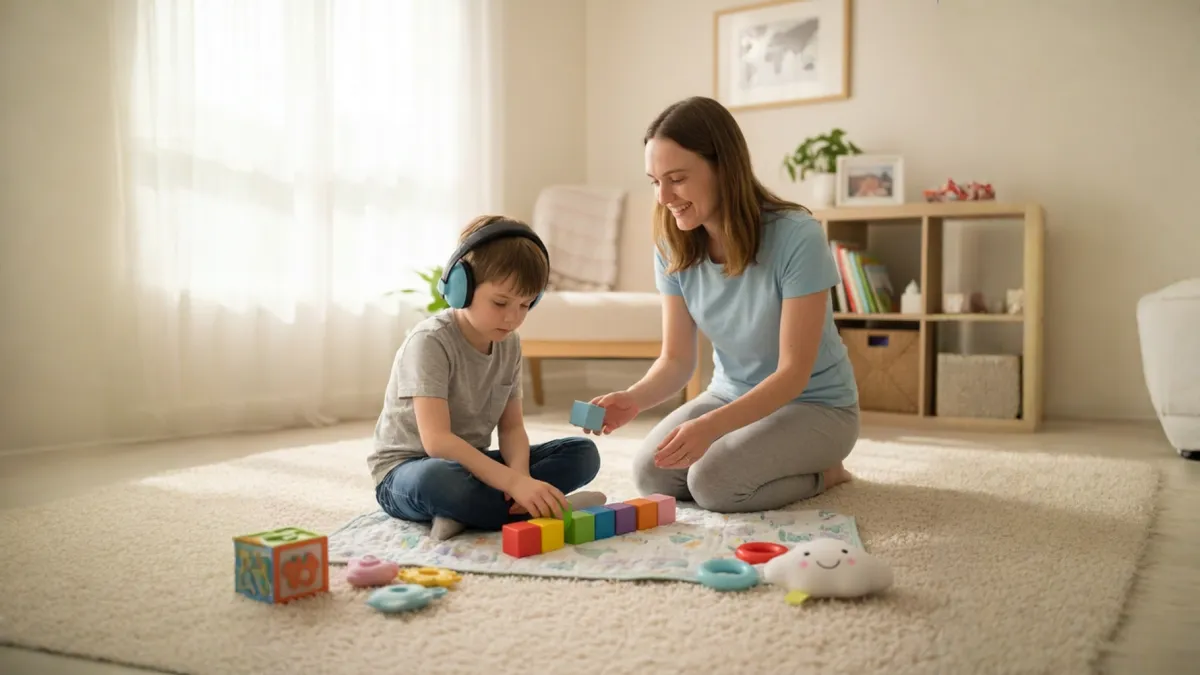
Play is central to autism occupational therapy. It's how children explore, learn, and connect with the world. Occupational therapists use play to build skills naturally, without pressure or forced interaction.
Through play, therapists observe how children move, communicate, and respond to sensory input. This information guides therapy planning and helps identify meaningful goals.
Play as a Learning Tool
Play-based therapy allows children to practise skills in a relaxed and motivating environment. Activities are designed around the child's interests, which increases engagement and confidence. Play also supports creativity, problem-solving, and emotional expression.
Sensory OT and Sensory Processing
Sensory OT is a key part of autism occupational therapy. Many autistic children experience sensory sensitivities or sensory-seeking behaviours. These sensory differences can affect behaviour, attention, and emotional regulation.
Sensory integration strategies help children process sensory information more effectively. Occupational therapists use carefully planned activities to support sensory development whilst respecting each child's tolerance levels.
According to Autism Spectrum Australia (Aspect), occupational therapists support the understanding of an individual's sensory preferences and differences that impact upon the tasks they need to engage in.
Everyday Benefits of Sensory OT
Sensory OT may help children manage everyday challenges such as loud noises, crowded spaces, or uncomfortable textures. Over time, some children may feel more at ease in environments that once felt overwhelming. This improved regulation can support learning, social interaction, and independence.
Supporting Emotional Regulation Through OT
Emotional regulation can be challenging for autistic children, especially when sensory input becomes overwhelming. Autism occupational therapy provides tools and strategies that may help children recognise and manage their emotions.
Therapists may use visual supports, calming routines, or movement-based activities to support regulation. These strategies can help children feel more in control and reduce emotional distress.
Building Self-Awareness
Occupational therapy helps children understand their own needs and responses. By learning what helps them feel calm or focused, children build self-regulation skills that may support wellbeing throughout life.
Developing Motor Skills and Coordination
Motor development is another important focus of autism occupational therapy. Some children may experience delays in fine or gross motor skills, affecting activities such as handwriting or dressing.
Occupational therapists use targeted activities to strengthen muscles, improve coordination, and support body awareness. These skills contribute to independence and confidence in daily tasks.
Supporting School Readiness
Motor skills are closely linked to learning. Physiotherapy and occupational therapy can support posture and hand strength for school readiness. These foundations help children participate more comfortably in classroom activities.
Supporting Developmental Milestones
Developmental milestones vary for every child. Autism occupational therapy focuses on progress rather than comparison. Therapists support children to achieve milestones in ways that align with their abilities and interests.
Milestones may include self-care skills, play development, or emotional awareness. Progress is measured by functional improvements that make daily life easier for both children and families.
The Raising Children Network provides comprehensive information about developmental milestones and autism support in Australia.
Individualised Goal Setting
Goals are developed collaboratively with families. This ensures therapy reflects real-life priorities and remains meaningful. Goals are reviewed and adjusted as children grow and develop.
Choosing an Occupational Therapist for Autism
Selecting the right occupational therapist is an important decision. Families should look for therapists with experience in paediatric care and a child-centred approach. Clear communication and family involvement are key indicators of quality care.
In Australia, all occupational therapists must be registered with AHPRA (Australian Health Practitioner Regulation Agency), ensuring they meet national standards for safe, competent practice. Registered practitioners also complete ongoing professional development courses to maintain their registration and stay current with evidence-based approaches.
At Brave Bodies, our occupational therapist has extensive experience in paediatric care and sensory integration. All our practitioners are AHPRA-registered and committed to evidence-based, family-centred care.
Occupational Therapy at Home
Autism occupational therapy often extends beyond clinic sessions. Therapists provide families with practical strategies that can be used at home. This consistency helps children feel secure and supported.
Simple changes such as visual schedules, sensory breaks, or adapted routines can make a difference. These strategies empower families to support their child's development every day.
Creating Supportive Home Environments
Occupational therapists help families create environments that reduce stress and support participation. This may involve adjusting lighting, organising spaces, or establishing predictable routines that help children feel safe and understood.
Occupational Therapy in Educational Settings
Many autistic children benefit from occupational therapy support in childcare or school environments. Therapists collaborate with educators to adapt tasks and environments to suit the child's needs.
This support may include seating adjustments, movement breaks, or visual supports. These strategies help children focus, regulate emotions, and engage in learning more effectively.
Brave Bodies is proud to partner with Geographe Education Support Centre, providing on-site therapy services to help students reach their unique potential in familiar and supportive environments.
Building Independence at School
Occupational therapy supports children to manage classroom routines independently. This builds confidence and reduces reliance on adult assistance, supporting positive long-term outcomes.
How Autism Occupational Therapy Supports Families
Autism occupational therapy supports not only children but also families. Therapists provide guidance, education, and reassurance to help families navigate challenges with confidence.
By understanding their child's needs, families can advocate effectively and create supportive routines. This partnership strengthens outcomes and promotes wellbeing for the whole family.
Mobile and Clinic-Based Services in Regional WA
For families in regional Western Australia, accessing quality paediatric therapy can be challenging. Brave Bodies offers both mobile services and clinic-based sessions to make therapy more accessible across:
Busselton
Bunbury
Dunsborough
Margaret River
Katanning
Vasse
With clinic locations at Vasse/Busselton, Bunbury and Margaret River (New), plus mobile services to homes, schools, and childcare centres, families have flexible options that suit their unique needs and circumstances.
Our mobile service model brings expert occupational therapy directly to your child's natural environment, whether that's home, school, or community settings. This approach can help children feel more comfortable and allows therapists to provide practical strategies in the contexts where they're needed most.
NDIS Support for Occupational Therapy
Many families access occupational therapy through the National Disability Insurance Scheme (NDIS). Brave Bodies can assist you with NDIS planning, making it easier for eligible families to access funding for autism occupational therapy services.
If your child has NDIS funding for occupational therapy in their plan, our team can work with you to ensure therapy aligns with your plan goals and provides meaningful outcomes.
Building Confidence and Independence
One of the meaningful outcomes of autism occupational therapy is increased confidence. As children develop skills and feel understood, they may become more willing to explore new experiences and participate in activities they previously avoided.
Independence grows gradually. Each success builds motivation and self-belief, supporting positive development across all areas of life – from self-care to social interactions to learning.
Long-Term Benefits of Autism Occupational Therapy
Autism occupational therapy provides skills that extend beyond childhood. Emotional regulation, sensory awareness, and self-care skills may support wellbeing throughout life.
While outcomes vary for each individual, research from organisations like Autism Spectrum Australia (Aspect) suggests that occupational therapy can support individuals and families to participate meaningfully and independently in the activities of daily life.
Conclusion
Autism occupational therapy empowers children through play, structure, and personalised support. By addressing sensory needs, emotional regulation, and daily living skills, occupational therapy helps autistic children participate more fully in everyday life.
At Brave Bodies, we believe that you, as parents and caregivers, are the true experts on your child. We listen deeply, value your insights, and collaborate closely with you in setting goals and planning therapy. It's a genuine partnership, every step of the way.
Our team of AHPRA-registered physiotherapists and occupational therapists brings extensive paediatric experience and ongoing professional development to ensure your child receives evidence-based, compassionate care tailored to their unique needs.
Contact Brave Bodies today to learn how we can support your child's journey.
Frequently Asked Questions
What does autism occupational therapy focus on?
Autism occupational therapy focuses on daily living skills, play, emotional regulation, sensory processing, and independence. Therapy is tailored to each child's unique needs and family priorities.
How does sensory OT help autistic children?
Sensory OT may support children to manage sensory input more comfortably, which can improve regulation and participation in daily activities. Therapists work with each child's sensory profile to develop appropriate strategies.
Are Occupational Therapy for autism programs play-based?
Yes, play is central to OT programs as it supports learning and engagement naturally. Occupational therapists use play to build skills in a relaxed, motivating environment tailored to the child's interests.
Can occupational therapy support school readiness?
Occupational therapy can help children develop motor skills, routines, and regulation strategies that support participation in learning environments. Learn more about ourearly intervention services.
How involved should parents be in therapy?
Parent involvement is encouraged and valued. At Brave Bodies, therapists work closely with families to ensure strategies are effective at home and aligned with family goals. We believe parents are essential partners in therapy.
Does Brave Bodies provide NDIS services?
Yes, Brave Bodies is an NDIS-registered provider. Families can access ouroccupational therapy servicesusing NDIS funding when relevant support is included in their plan.
Do you provide mobile occupational therapy services?
Yes, Brave Bodies offers mobile occupational therapy services to homes, schools, and childcare centres across Busselton, Bunbury, Dunsborough, Margaret River, and Katanning, as well as clinic-based sessions in Vasse and Dalyellup.
Are your therapists registered?
Yes, all Brave Bodies therapists are registered with AHPRA (Australian Health Practitioner Regulation Agency), ensuring they meet national standards for safe, competent practice. Our practitioners also complete ongoing professional development to maintain their registration and provide current, evidence-based care.
What age groups do you work with?
Brave Bodies supports babies, children, teens, and young adults from 0-25 years. Our services are tailored to each developmental stage and individual needs.