Occupational Therapy Assessments: Identifying Your Child’s Needs Early
Every child is on their own unique adventure, developing at their own pace. However, as parents, it is natural to worry when you notice your child struggling with things that seem to come easily to others, whether it’s holding a pencil, managing big emotions, or joining in on the Playground.
At Brave Bodies, we believe that identifying these challenges early is the first step toward empowerment. An occupational therapy (OT) assessment isn't just a test, it’s a roadmap to understanding your child’s unique strengths and the specific support they need to thrive.
This guide is designed for parents, educators and child‑care professionals who are noticing challenges and want clear, practical information. We’ll walk through:
● What an occupational therapy (OT) assessment is
● Why early identification can make a meaningful difference
● What to expect from an OT assessment at Brave Bodies
● How personalised therapy plans support your child at home, school and in the community
● Common signs that a child may benefit from an OT assessment
● Answers to frequently asked questions
Important: The information in this article is general in nature and does not replace individual medical or allied health advice. If you’re concerned about a child’s development, it’s important to seek personalised advice from a qualified health professional.
What Is an Occupational Therapy Assessment?
An occupational therapy assessment is a comprehensive evaluation conducted by a registered Occupational Therapist. Its purpose is to look at the "whole child", understanding how they function in their daily roles as a player, a student, and a family member.
We look at how your child performs essential tasks across different environments, including home, school, and community settings.
Common areas we assess include:
● Fine Motor Skills: The ability to use small muscles for writing, cutting, buttoning, and using cutlery.
● Gross Motor Coordination: Skills involving large muscle groups, such as balance, posture, ball skills, and general coordination.
● Sensory Processing: How your child interprets and responds to sensory input (touch, sound, movement, sight). This is crucial for regulation and focus.
● Self-Care (Activities of Daily Living): Independence in dressing, feeding, toileting, and hygiene.
● Social & Emotional Development: How they interact with peers, manage frustration, and regulate their emotions.
● Executive Functioning: Skills related to attention, organisation, and following instructions.
This assessment helps the therapist design a therapy plan tailored to the child’s unique abilities and goals.
The Importance of Early Identification
You may have heard the term "neuroplasticity." This refers to the brain's incredible ability to reorganise itself by forming new neural connections. This ability is most active during early childhood.
Detecting developmental delays early allows us to tap into this window of opportunity. Early occupational therapy assessment aims to:
● Support smoother experiences at school and childcare
By identifying fine motor, sensory or attention‑related challenges early, we can support skills such as handwriting, sitting at a desk, following instructions and coping in busy environments.
● Reduce frustration for children and families
When tasks feel hard, children can become frustrated or avoid them. Understanding why something is difficult helps us adapt tasks, environments and expectations in a compassionate way.
● Build strong foundations for later independence
Skills developed in childhood, like dressing, toileting, organising school belongings and managing emotions. Laying the groundwork for greater independence in adolescence and adulthood.
While children can benefit from OT at any age, starting earlier often allows us to embed helpful strategies into everyday routines and support your child’s confidence over time.
What Happens During an OT Assessment at Brave Bodies?
At Brave Bodies, our assessments are playful, respectful and family‑centred, reflecting our values of being family‑centred, evidence‑based, fun and empowering.
You can typically expect the following steps:
1. Parent / Caregiver Consultation
We begin by listening.
Your Occupational Therapist will ask about:
● Your child’s strengths and what they enjoy
● Your concerns and observations (home, school, childcare, sport, community)
● Relevant developmental, medical or birth history
● Daily routines: mornings, mealtimes, play, school, evenings
This conversation helps us understand what matters most to your family so we can set meaningful, realistic goals together.
2. Standardised and Informal Assessment
Depending on your child’s age and needs, the therapist may use:
● Standardised assessment tools: structured activities or play‑based tasks that help measure specific skills such as fine motor coordination, visual‑motor integration, or sensory processing patterns.
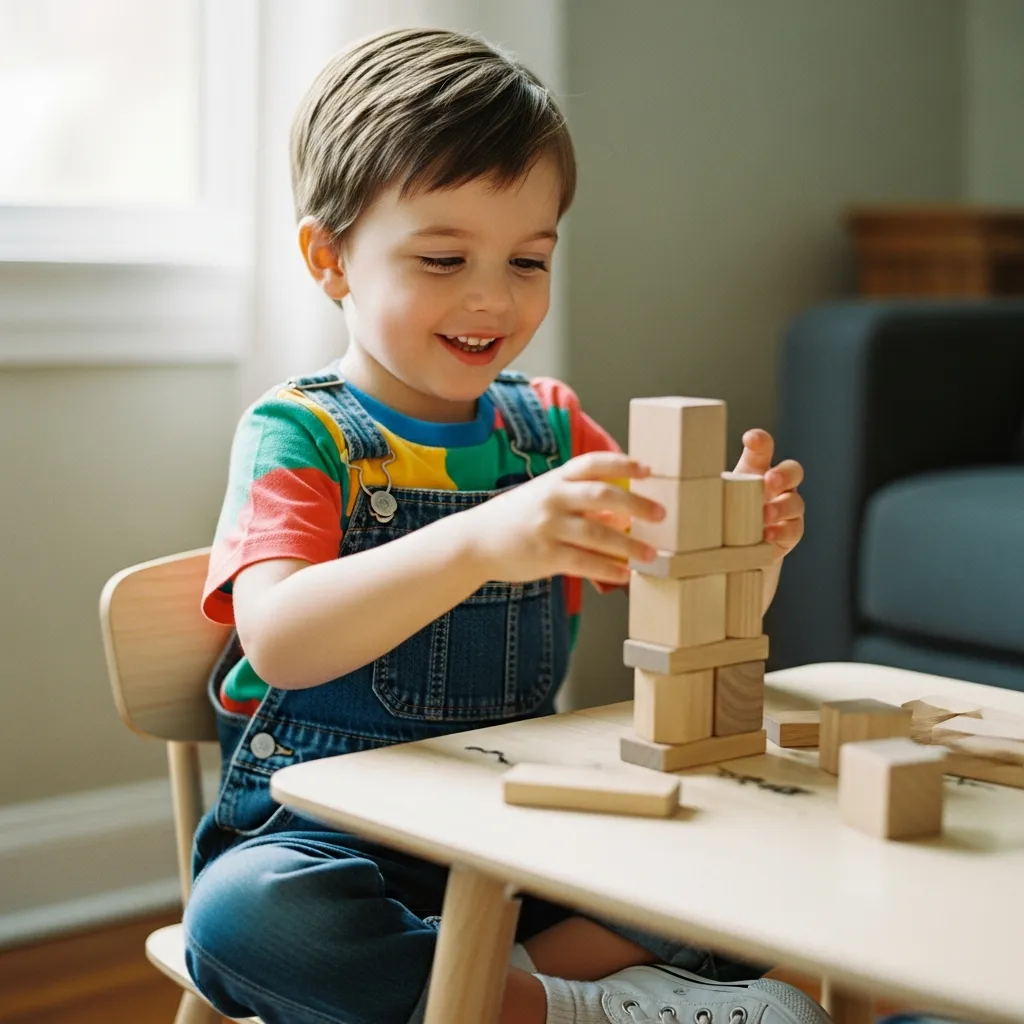
● Informal tasks and play: drawing, building, games, movement activities or self‑care tasks that reflect your child’s everyday life.
These assessments are designed to be child‑friendly and are always adapted to your child’s interests and energy levels.
3. Observation in Play and Functional Activities
Children often show us the most when they’re playing.
The therapist will observe how your child:
● Moves and coordinates their body
● Holds tools like pencils, crayons, blocks or cutlery
● Follows directions and completes multi‑step tasks
● Interacts with you and/or peers in a session
● Responds to sensory experiences (noise levels, movement, touch, etc.)
Where appropriate and with your consent, we may also seek information from educators, support staff or other health professionals to gain a fuller picture.
4. Functional Skills and Participation
We look at how your child participates, not just what they can or can’t do in a clinic.
This may include:
● Dressing and undressing tasks
● Toileting routines and hygiene
● Managing bags, lunchboxes and belongings
● Classroom‑type tasks such as cutting, colouring, early writing or keyboard skills
● Play skills: building, pretend play, board games and group play
5. Feedback, Recommendations and Goal Setting
After the assessment, your therapist will provide:
● Verbal feedback in parent‑friendly language
● A clear summary of strengths and challenges
● Collaborative goal setting with you (and your child when appropriate)
Recommendations, which may include:
○ Individual OT sessions
○ Home‑based strategies or activities
○ Environmental accommodations (e.g. seating, sensory supports)
○ Liaison with educators or other professionals (with consent)
○ Suggestions about whether further medical or allied health review may be beneficial
If a written report is required (for example for school planning, NDIS or other providers), your therapist will discuss this process, costs and timeframes with you, in line with Brave Bodies’ standard clinic policies.
Customised Therapy Plans for Every Child
One of the greatest benefits of occupational therapy assessments is the individualised care that follows. No two children are the same, and neither are our therapy plans. Based on the assessment, we design a program tailored to your child’s specific goals.
Your child’s plan might include:
● Skill-Building Activities: Fun exercises to improve handwriting, cutting, or coordination.
● Sensory Strategies: Creating a toolbox of strategies to help your child stay calm and focused.
● Emotional Regulation Tools: Teaching your child how to recognise and manage "big feelings."
● Parent & Teacher Coaching: We believe in Partnering with Parents. We provide you and your child's educators with strategies to support their progress at home and in the classroom.
Therapy goals and strategies are reviewed regularly. We adjust the plan in response to your child’s progress, changing needs and family priorities.
We don’t promise quick fixes or specific outcomes. Instead, we focus on supporting your child’s capacity to participate, building on their strengths and celebrating every step forward.
Signs a Child May Benefit from an Occupational Therapy Assessment
If you are an educator or parent, look out for these common indicators:
● Struggling to hold a pencil, crayon or cutlery in an effective way
● Finding it hard to cut with scissors, draw simple shapes or manage buttons and zips
● Avoiding activities like drawing, colouring or writing
● Frequent trips, falls or bumping into things
● Challenges with Playground equipment, ball skills or riding a bike
● Appearing “clumsy” or unsure where their body is in space
● Difficulty focusing long enough to complete age‑appropriate tasks
● Needing a lot of adult help to get started or stay on track
● Becoming overwhelmed with multi‑step instructions
● Strong reactions to noise, light, crowds or certain clothing textures
● Avoiding messy play (paint, sand, grass) or, conversely, constantly seeking movement, touch or pressure
● Finding it hard to cope in busy or unpredictable environments (classroom, shopping centres, events)
● Ongoing difficulty with dressing, toileting or mealtime routines compared with peers
● Limited independence with age‑appropriate tasks despite practice and support
● Big emotional reactions during everyday tasks that others seem to manage with more ease
● Avoidance of tasks that feel “too hard”, leading to resistance, worry or meltdowns
If you are unsure whether OT may be the next step, our team can help you decide whether an assessment is likely to be helpful for your child.
The Role of Parents, Educators and Caregivers
At Brave Bodies, our philosophy is “Partnering with Parents, Empowering Children.” We see you as a vital part of your child’s therapy team.
You support your child’s OT journey by:
● Sharing your knowledge of your child
You know your child best. Your observations help us understand what is happening beyond the clinic.
● Embedding strategies into daily life
We work with you to find small, achievable changes to routines at home, school and childcare that reinforce therapy goals without overwhelming your family.
● Collaborating with educators and other professionals
With your consent, we liaise with teachers, education support teams and other health professionals to promote consistent and coordinated support.
● Celebrating progress – big and small
A new grip on a pencil, one extra step in a dressing routine, or a calmer school morning can all be important wins.
We aim to ensure you feel informed, respected and supported at every stage of your child’s journey with us.
Long-Term Benefits of Early Occupational Therapy
While every child’s progress is different, many families tell us they value:
● A clearer understanding of their child’s needs
● Practical strategies that make day‑to‑day life easier
● Increased participation in play, school and family routines
● Improved confidence and willingness to try new tasks
● A more connected, supported experience at home and in the community
Our role is to walk alongside you, supporting, empowering and celebrating your child as they grow.
Where Brave Bodies Provides Occupational Therapy Assessments
Brave Bodies offers Paediatric Occupational Therapy for children and young people aged 0–25 years across the South West of Western Australia
Clinic‑based sessions:
- Vasse/Busselton (Fridays)
- Dalyellup/Bunbury (Tuesdays)
Mobile and outreach services:
- Busselton
- Bunbury & Dalyellup
- Dunsborough
- Margaret River
We also visit schools and childcare centres where appropriate and by arrangement, helping children build skills in the environments where they spend most of their time.
Ready to Learn More?
An occupational therapy assessment is more than just a check-up; it is a proactive step toward helping your child navigate the world with greater ease and confidence. By identifying needs early, we can provide the right support to help them overcome barriers to learning and play.
At Brave Bodies, we are passionate about empowering children across the South West to reach their potential. If you have concerns about your child’s development, we are here to help guide you.
Contact us today to discuss how our Occupational Therapy team can support your child’s unique journey.
FAQs
1. What age should a child have an occupational therapy assessment?
Occupational therapy assessments can be helpful from babies and toddlers through to young adults (0–25 years). If you have concerns at any age, it is reasonable to seek an assessment rather than “wait and see.”
2. Do I need a referral to book an OT assessment at Brave Bodies?
You do not always need a medical referral to book privately funded sessions with Brave Bodies. However, a referral may be required for some funding pathways (for example, certain Medicare programs or other schemes). Our team can guide you through what is needed based on your situation.
3. How long does an occupational therapy assessment take?
Assessment times can vary depending on age and needs, but a typical initial assessment session is around 60–90 minutes, plus time for scoring, interpretation and report writing if requested.
4. What should we bring to the first appointment?
It can be helpful to bring:
● Any reports from other professionals (e.g. paediatrician, psychologist, speech pathologist, school reports)
● Your child’s glasses, hearing aids or assistive devices (if used)
● Information about any funding you may be accessing (e.g. NDIS plan details)
Your therapist will let you know if anything more specific is needed.
5. How often will my child attend therapy sessions?
Session frequency is individualised. Some children attend weekly, others fortnightly, and some may see their therapist less often with a strong home and school program. Your therapist will recommend a plan that matches your child’s needs, your goals and practical considerations.
6. Can occupational therapy help with school and childcare participation?
Yes. Occupational Therapists commonly support skills that affect classroom and childcare participation, such as:
● Fine motor and pre‑writing skills
● Attention and organisation
● Sensory regulation and coping in busy environments
● Social participation and play skills
With your consent, we can collaborate with your child’s educators to share practical strategies.
7. Does an OT assessment provide a diagnosis?
Occupational Therapists do not diagnose medical or developmental conditions such as autism, ADHD or developmental coordination disorder. However, the assessment can highlight patterns of strengths and challenges that may indicate the need for further medical or multidisciplinary assessment. We can share our observations with your broader health team (with your permission).
8. Is occupational therapy covered by NDIS or other funding options?
Many families access OT services using:
● NDIS funding (for eligible participants with appropriate goals in their plan)
● Private health insurance (depending on your level of cover)
● Private/self‑funded payments
Funding rules and eligibility criteria are set by external bodies and may change over time. Our administration team can provide general information about how services are billed at Brave Bodies, but we recommend you check directly with your funding provider for current details.
9. Will therapy sessions be at home, school or in a clinic?
Brave Bodies offers both clinic‑based and mobile services across parts of the South West of WA. Depending on your location and needs, sessions may occur:
● In one of our clinic locations (Vasse/Busselton or Dalyellup/Bunbury)
● At your child’s home, school or childcare (where this is appropriate and available)
We’ll discuss options with you during the intake process.
10. What happens if my child doesn’t “cooperate” during the assessment?
It’s very common for children to be shy, tired, excited or unsure in a new environment. Our therapists are experienced in engaging children through play and adapting activities to their comfort level. If your child is unwell or very distressed on the day, we may reschedule or adapt the session in a way that keeps your child’s wellbeing at the centre.
11. How do I know if OT is the right fit, or if we should see another professional?
Sometimes more than one professional is involved in supporting a child. If during the assessment we feel your child may also benefit from seeing another professional (for example, a GP, paediatrician, speech pathologist or psychologist), we will discuss this with you. We will never ask you to continue OT if we believe another pathway would be more appropriate for your goals.
12. How do I book an occupational therapy assessment with Brave Bodies?
You can contact us and explore our services via the Brave Bodies Services. Our friendly team will talk you through availability, locations, fees and funding options relevant to your situation.