Baby Physio Busselton: How Paediatric Physiotherapy Can Help Your Child
Children grow and develop at their own pace, but some need extra support with movement, strength, balance, or motor development along the way. When physical challenges begin to affect everyday activities such as rolling, sitting, crawling, walking, playing, or joining in with sport, early support can make a meaningful difference. This is where our baby and kids physio team in Busselton and Margaret River may be able to help, particularly for families seeking early intervention physiotherapy in Busselton.
Paediatric physiotherapy focuses on supporting the physical development, mobility, and functional movement of babies, toddlers, children, and teenagers. A physiotherapist works with children who may have delayed milestones, low tone, hypermobility, co-ordination difficulties, injuries, or other movement concerns. Through personalised treatment and play-based therapy, children are supported to build strength, improve movement patterns, and develop important physical skills.
For parents looking into therapy options, understanding what paediatric physiotherapy involves can help provide reassurance and clarity. In many cases, earlier support leads to better outcomes and helps children build confidence as they grow.
This article explains what paediatric physiotherapy is, what it can help with, and how it supports children’s movement and development.
Understanding Paediatric Physiotherapy
Paediatric physiotherapy is a specialised area of physiotherapy designed around the unique needs of growing children. Sessions are tailored to suit a child’s age, developmental stage, physical abilities, and comfort level.
A kids physiotherapist uses guided movement, therapeutic exercises, and play-based activities to help children improve strength, balance, mobility, and co-ordination. Sessions are often designed to feel engaging and enjoyable, which helps children participate more confidently.
Because children are still developing physically, physiotherapists look closely at posture, movement patterns, muscle tone, balance, and functional skills. The aim is not only to improve current difficulties, but also to support long-term physical development and reduce the risk of ongoing movement problems.
From baby physio in Busselton through to toddler and kids physio in Busselton, treatment is tailored to each child’s age, developmental stage, and individual needs.
What Can Paediatric Physiotherapy Help With?
Paediatric physiotherapy can support a wide range of developmental and physical concerns. Some children may have a diagnosis, while others may simply need support with how they move, play, or keep up with peers.
Common concerns that may benefit from paediatric physiotherapy include:
delayed milestones such as rolling, sitting, crawling, or walking
low tone
hypermobility
co-ordination difficulties
balance problems or frequent falls
muscle weakness
poor posture or unusual movement patterns
torticollis in babies
difficulties with running, jumping, or climbing
injuries related to play or sport
children who seem delayed in sport skills or have delayed sports participation compared with peers
A physiotherapist will assess each child individually and create a treatment plan based on their age, movement skills, and functional goals.
How Physiotherapy Supports Motor Development
Motor development is the process of learning how to control body movements. This includes skills such as head control, rolling, sitting, crawling, standing, walking, running, jumping, and balancing.
Some children develop these skills later than expected, or they may find certain tasks harder because of low tone, hypermobility, co-ordination difficulties, or other developmental factors.
Paediatric physiotherapy helps children build these skills step by step through targeted activities and movement-based therapy. Treatment may focus on improving:
balance and body awareness
strength and stability
posture and alignment
walking and running patterns
gross motor skills
confidence in movement
When children receive the right support, they often become more confident exploring their environment and participating in everyday activities.
Baby Physio Busselton: Early Support for Babies
For infants, physiotherapy can be especially valuable when there are concerns about movement patterns or early development. A baby physio may be recommended when a baby is not meeting expected milestones or is showing signs of stiffness, asymmetry, or reduced strength. For families exploring babies early intervention in Busselton, early physiotherapy support can help guide development and build important foundational movement skills.
Some common reasons babies may benefit from physiotherapy include:
delayed milestones
difficulty with tummy time
not rolling or sitting as expected
favouring one side
flat head preference linked with movement patterns
torticollis
low tone
stiffness or unusual posture
Early assessment can help identify what support is needed and guide parents with practical strategies to use at home.
Toddler Physio Busselton: Building Strength and Confidence
Toddlers are constantly learning new movement skills. If a toddler seems clumsy, falls often, avoids climbing, struggles to keep up physically, or is behind in walking, running or jumping, our toddler physio service in Busselton may help support these areas.
At this stage, physiotherapy often focuses on helping toddlers improve:
balance
core strength
mobility
confidence with movement
co-ordination
age-appropriate gross motor skills
Therapy is designed to feel playful and achievable, helping toddlers develop skills in a way that suits their stage of growth.
Kids Physio Busselton: Helping Children Keep Up With Daily Life and Sport
As children get older, physical challenges may become more noticeable at school, during playground activities, or in sport. Our Kids Physio services in Busselton can help children who find movement harder than expected or who are not progressing with physical skills at the same pace as their peers.
This may include children with:
co-ordination difficulties
hypermobility
low tone
poor balance
frequent tripping or falling
difficulties with skipping, hopping, jumping or ball skills
reduced strength and endurance
delayed confidence in sport or delayed sports participation
By improving strength, control, and movement efficiency, physiotherapy can help children feel more capable and confident at home, at school, and in recreational activities.
The Role of Play in Paediatric Physiotherapy
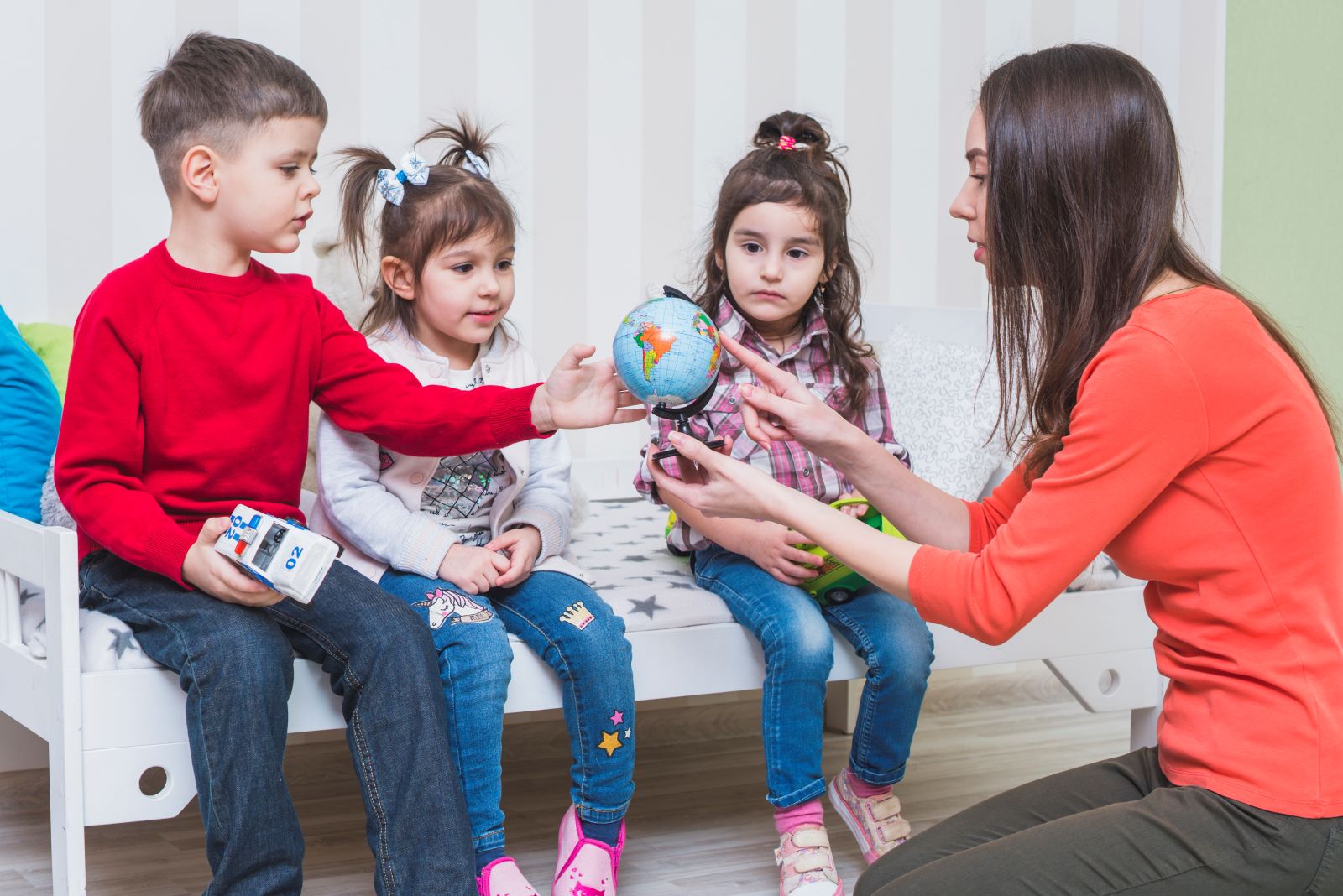
One of the most important parts of paediatric physiotherapy is that it is often delivered through play. Children usually engage best when therapy feels fun, motivating, and age-appropriate.
Instead of repetitive exercise in a traditional format, therapists may use games, obstacle courses, toys, stepping activities, climbing tasks, balls, and balance equipment to encourage movement. This keeps children involved while still working on important physical goals.
For example, a session might include:
reaching and crawling games to improve strength
stepping and balance activities to support co-ordination
climbing tasks to build stability and confidence
jumping or ball play to develop motor planning
This play-based approach helps therapy feel natural while still targeting areas of concern.
Signs Your Child May Benefit from Physiotherapy
Every child develops in their own way, but there are times when extra support can be helpful. Parents are often the first to notice small signs, such as their child seeming unsteady, struggling with certain movements, avoiding physical play, or finding it harder to keep up with other children their age.
Sometimes this relates to delayed motor development, and sometimes it is more about movement quality, balance, posture, strength, or confidence with physical activity. For babies, it may be things like favouring one side or difficulty with early movement skills.
If you have noticed any of these concerns, a paediatric physiotherapy assessment can help provide clarity, reassurance, and guidance on the best next steps.
What Happens During a Paediatric Physiotherapy Session?
A paediatric physiotherapy session usually starts with an assessment. The physiotherapist will observe how the child moves, ask about milestones and concerns, and look at areas such as strength, balance, tone, posture, and co-ordination.
From there, a personalised treatment plan is developed based on the child’s needs and goals.
During sessions, children may take part in activities that work on:
stretching and mobility
strengthening
balance
movement control
gross motor skills
functional play
Parents are often included in the process so they can understand what is being worked on and continue helpful activities at home.
Why Early Intervention Matters
Early support can make a meaningful difference when a child is having difficulty with movement or motor development. Because children’s bodies and brains are still developing, the early years can be an important time to build physical skills, confidence, and healthy movement patterns.
Physiotherapy during this stage can help children feel more confident in their bodies, participate more easily in everyday activities, and develop skills that support them at home, in childcare or school, and during play. It can also give parents reassurance and practical strategies to support progress along the way.
By addressing concerns early, children often have the best opportunity to build a strong foundation for future development.
Supporting Your Child at Home
Parents and caregivers play an important role in a child’s physiotherapy journey. A physiotherapist may provide simple activities, positioning ideas, or exercises to continue at home between sessions.
This home support helps reinforce progress and makes therapy part of everyday life. It can also help parents feel more confident knowing how to support their child’s movement development in a practical way.
When families and therapists work together, children receive more consistent support and are often better able to progress towards their goals.
Conclusion
Paediatric physiotherapy helps children improve movement, strength, balance, and overall physical development through personalised, child-friendly treatment. Whether you are looking for Baby Physio Busselton, Toddler Physio Busselton, or Kids Physio Busselton, early support can help children build important physical skills and greater confidence in everyday life.
Children with hypermobility, delayed milestones, co-ordination difficulties, low tone, torticollis, or challenges with physical play and sport may all benefit from assessment and treatment. With the right support, children can make meaningful progress in how they move, play, and participate in the world around them.
FAQ
What does a Baby Physio in Busselton help with?
Baby physiotherapy can help with concerns such as delayed milestones, low tone, torticollis, poor tummy time tolerance, asymmetrical movement, and early motor development concerns.
When should I consider a Toddler Physio in Busselton?
A toddler may benefit from physiotherapy if they are late to walk, fall often, struggle with climbing or balance, or show signs of co-ordination difficulties or low tone.
What does a Kids Physio in Busselton support?
Kids physiotherapy can support children with movement difficulties, hypermobility, poor balance, delayed physical confidence, sport-related issues, and challenges keeping up with peers.
Can physiotherapy help delayed milestones?
Yes, paediatric physiotherapy often supports children with delayed milestones by helping them build the strength, stability, and movement skills needed for development.
Is physiotherapy useful for children with hypermobility or low tone?
Yes, children with hypermobility or low tone may benefit from physiotherapy to improve stability, posture, strength, and movement control.